
Marketing shouldn't be like throwing darts blindfolded.
Nathan is a Marketing Systems Strategist who helps small businesses be intentional, rational, and measured with their marketing.
Struggling with Disorganized Marketing?
MODERN MARKETING CAN BE CHAOS
Small businesses often struggle with disorganized marketing efforts, feeling overwhelmed by the myriad of tasks and lacking a clear, cohesive strategy.
Limited resources and difficulty measuring results compound the challenges, while high competition, a rapidly changing marketing landscape, and the need for effective customer engagement further complicates marketing for small businesses.
IN , relying on multiple vendors for various marketing tools often leads to disjointed and inconsistent results. These struggles make it challenging for small businesses to effectively market their products and services, leaving them frustrated and unable to achieve their marketing goals.


Your Guide to Rational Marketing
NATE CREATES ORDER OUT OF CHAOS
It's possible for small businesses to be systematic and measured when marketing their product or service.
Nathan (Nate) has worked in design and marketing for more than two decades. First, as a print and product designer, then web developer. After earning his Business Made Simple Coaching Certification Nathan began consulting with small businesses, helping them create clarity around business and marketing principles.
Today he coaches, consults, builds marketing systems, and develops out-of-the box methods for launching strategic marketing that works for small businesses.
Solutions for Small Business

Consulting
Nate can work with your team, building a systematic, rational approach to marketing and developing tools to do the work.
LEARN MORE

Engagements
Nate takes on a few, occasional public speaking engagements each year. Teaching & inspiring about small business marketing.
LEARN MORE

Learning Resources
An ever-growing catalogue of educational materials that train small business to be effective marketers.
LEARN MORE
Recent Articles
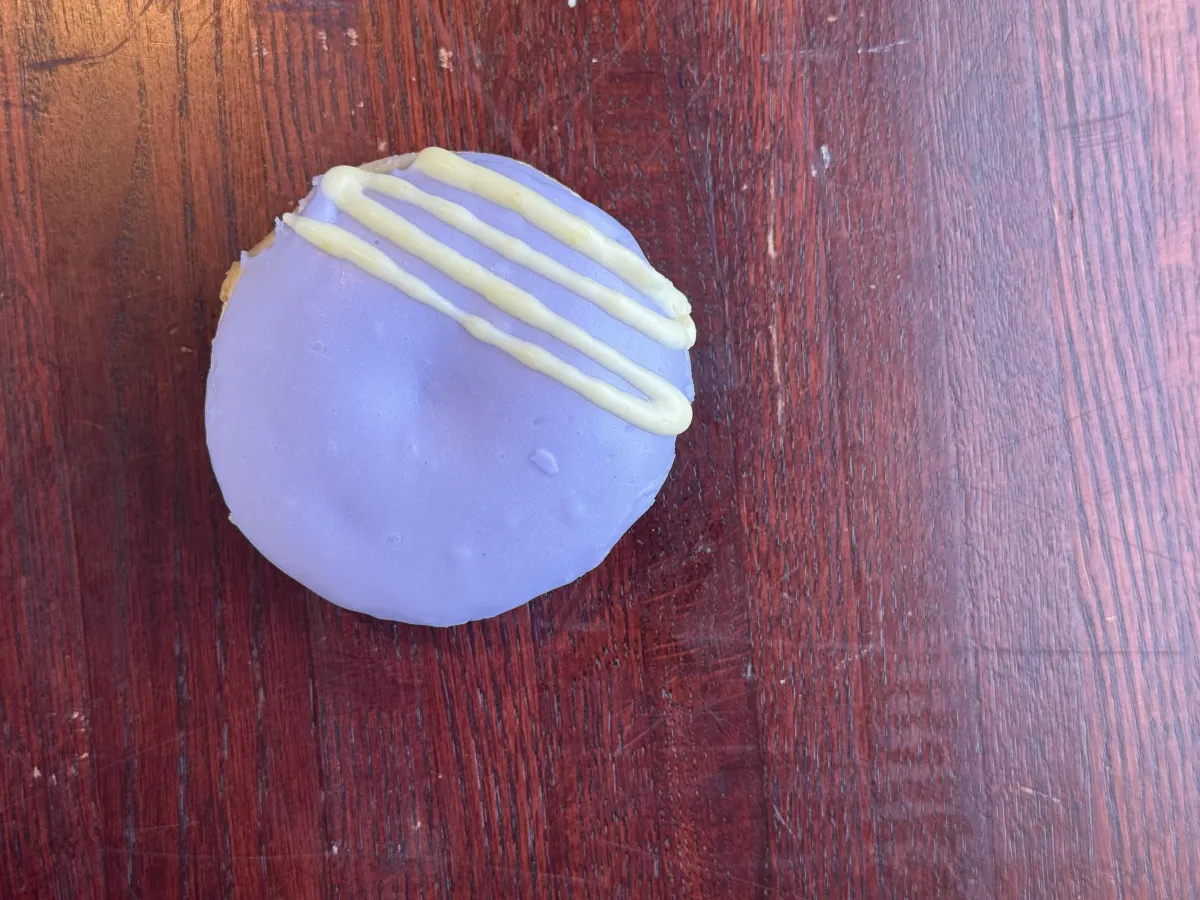
A Small Business Guide to Better Food Photography
They say we eat with our eyes first. Think about a sizzling plate of fajitas or the crunch of fresh bread; those sensory cues tell our brains exactly what we want before we ever take a bite.
For restaurant or bakery owners, professional photography often feels like a luxury that neither the budget nor the schedule allows. But you don’t need a massive studio to stop people mid-scroll. You just need to move beyond snapping a quick photo of your display case.
Here is how you can transform your menu and social media photos today using a simple, DIY approach.
1. Set the Stage
The "hero" of your photo is always the food, but the hero needs a decent stage.
Pick an Interesting Surface: Skip the distracting patterns. Use natural materials like an acacia wood tabletop or an old oak butcher block.
Add Visual Texture: Small touches like a dusting of flour or a simple plate can add depth without drawing the eye away from the main dish.
Keep it Clean: A common mistake is leaving residue or oil bits from a previous dish on your surface. Always wipe down your tabletop before you start.
2. Master Simple Lighting
Lighting is the difference between food that looks appetizing and food that looks "off."
The 90-Degree Rule: Use a strong, diffused light source (like sunlight through a window) coming in from the side at a 90-degree angle.
Kill the Shadows: Harsh shadows are distracting. Place a simple piece of white cardboard or a cardboard box on the opposite side of your light source to bounce light back and "open up" those dark areas.
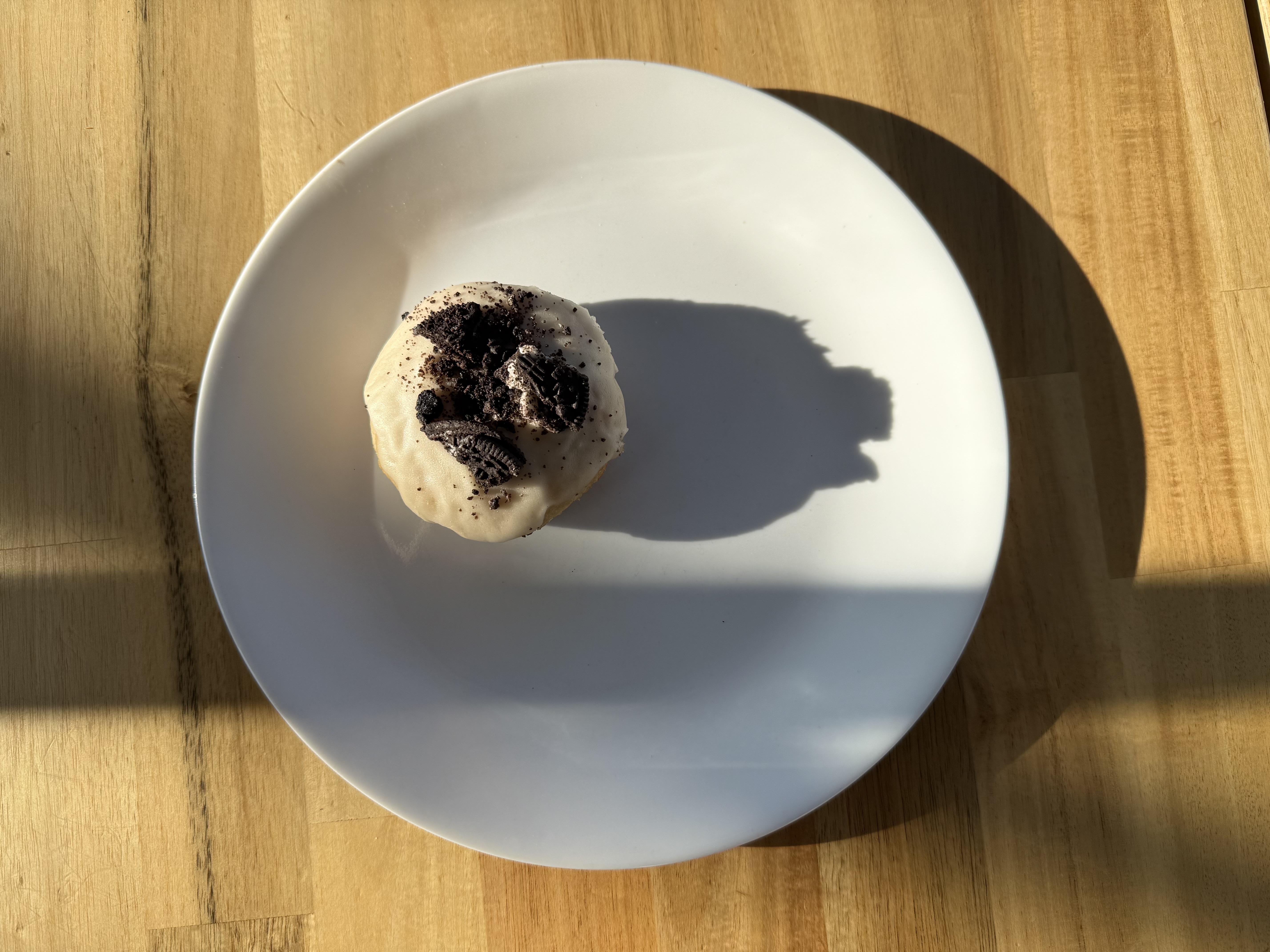
Watch the Color: Be careful mixing yellow indoor lights with blue-toned sunlight, as it can create an awkward, unnatural look.
3. The Four Essential Angles
Don’t just take one photo and call it a day. For every item you photograph, try these four angles to give yourself options:
Straight Down: Perfect for highlighting garnishes and the overall shape
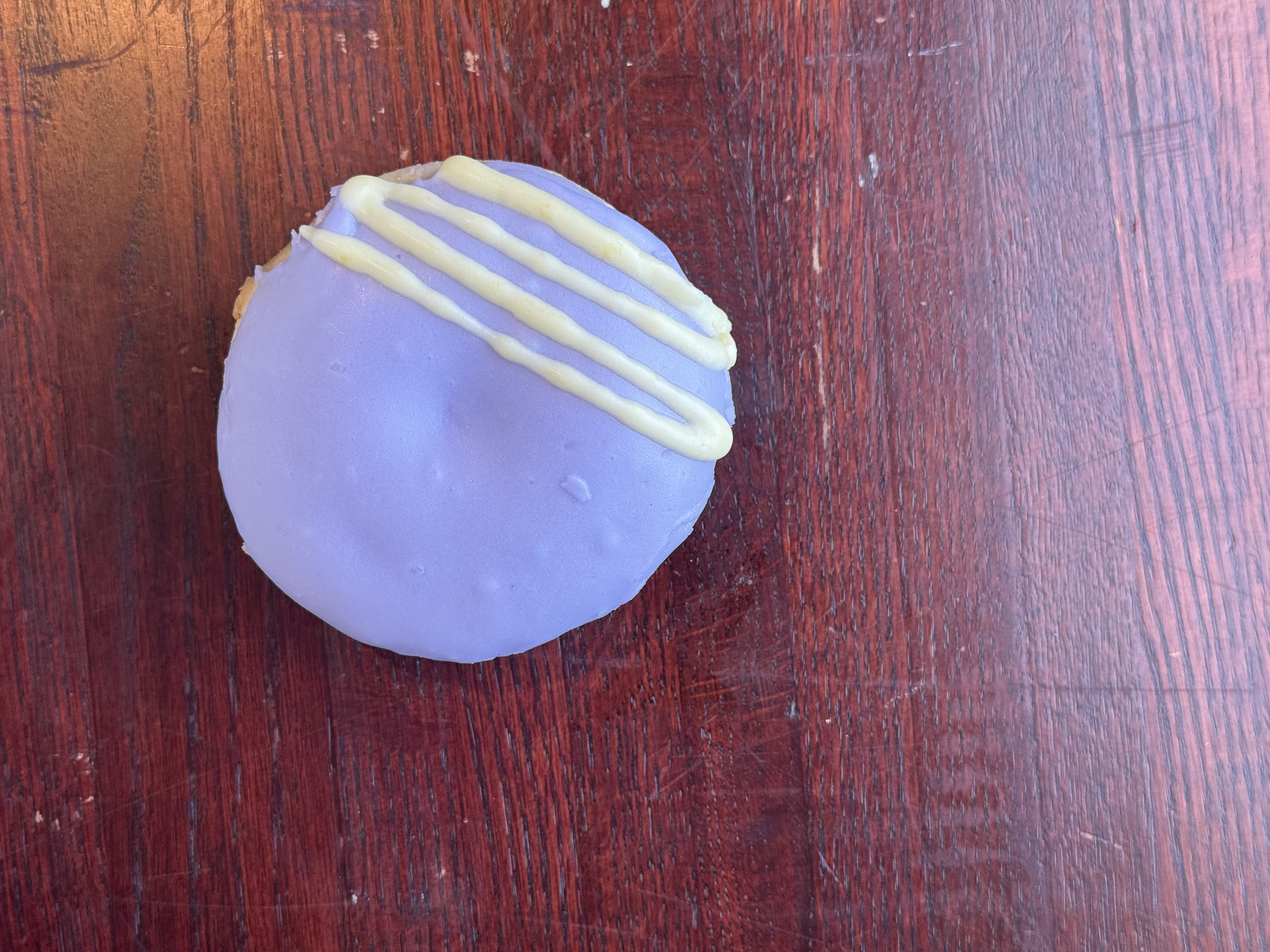
45-Degree Angle: This classic shot shows both the top and the side of the food.
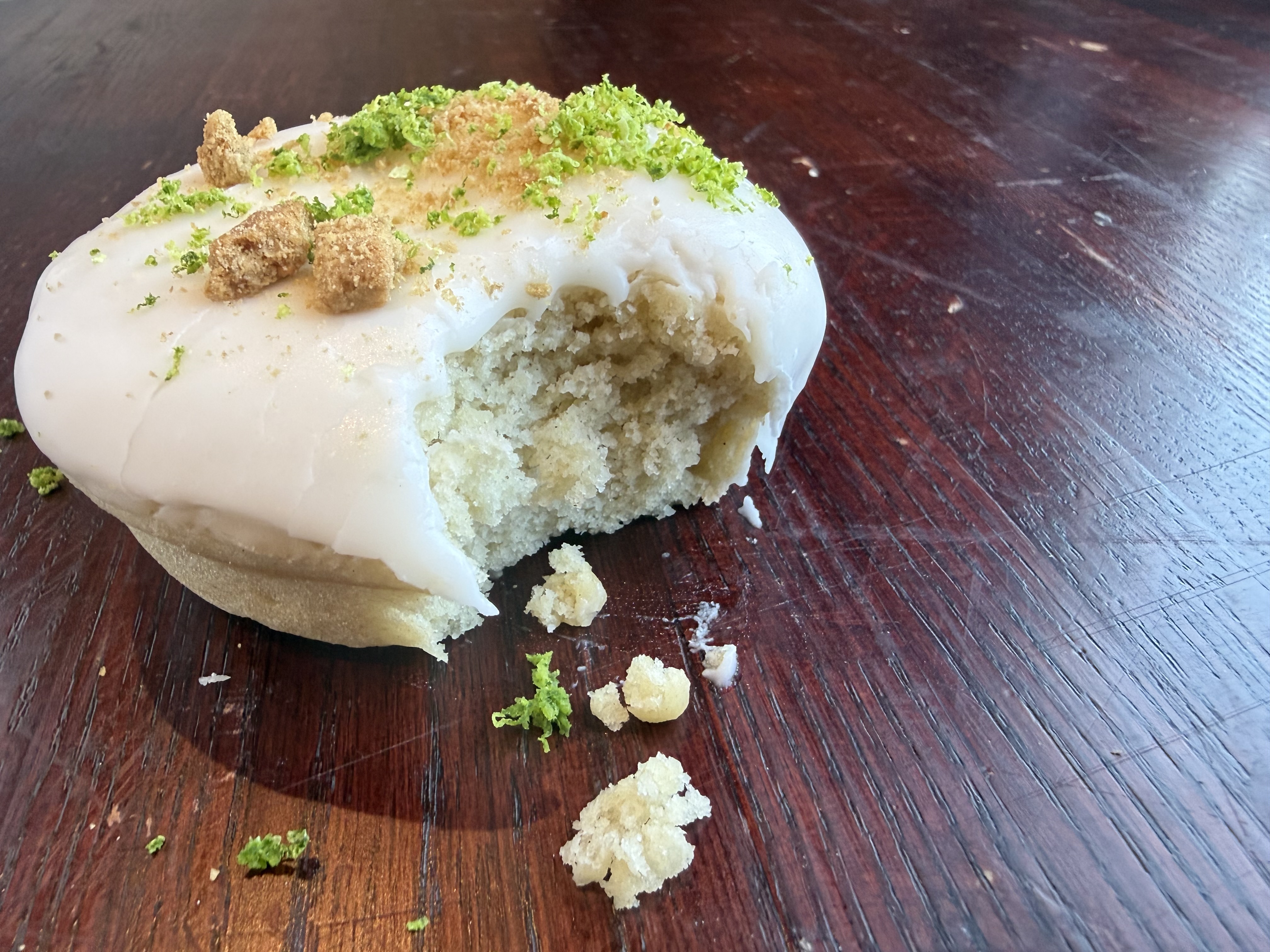
Straight On (Flat): Great for stacked items or showing the height of a dish.
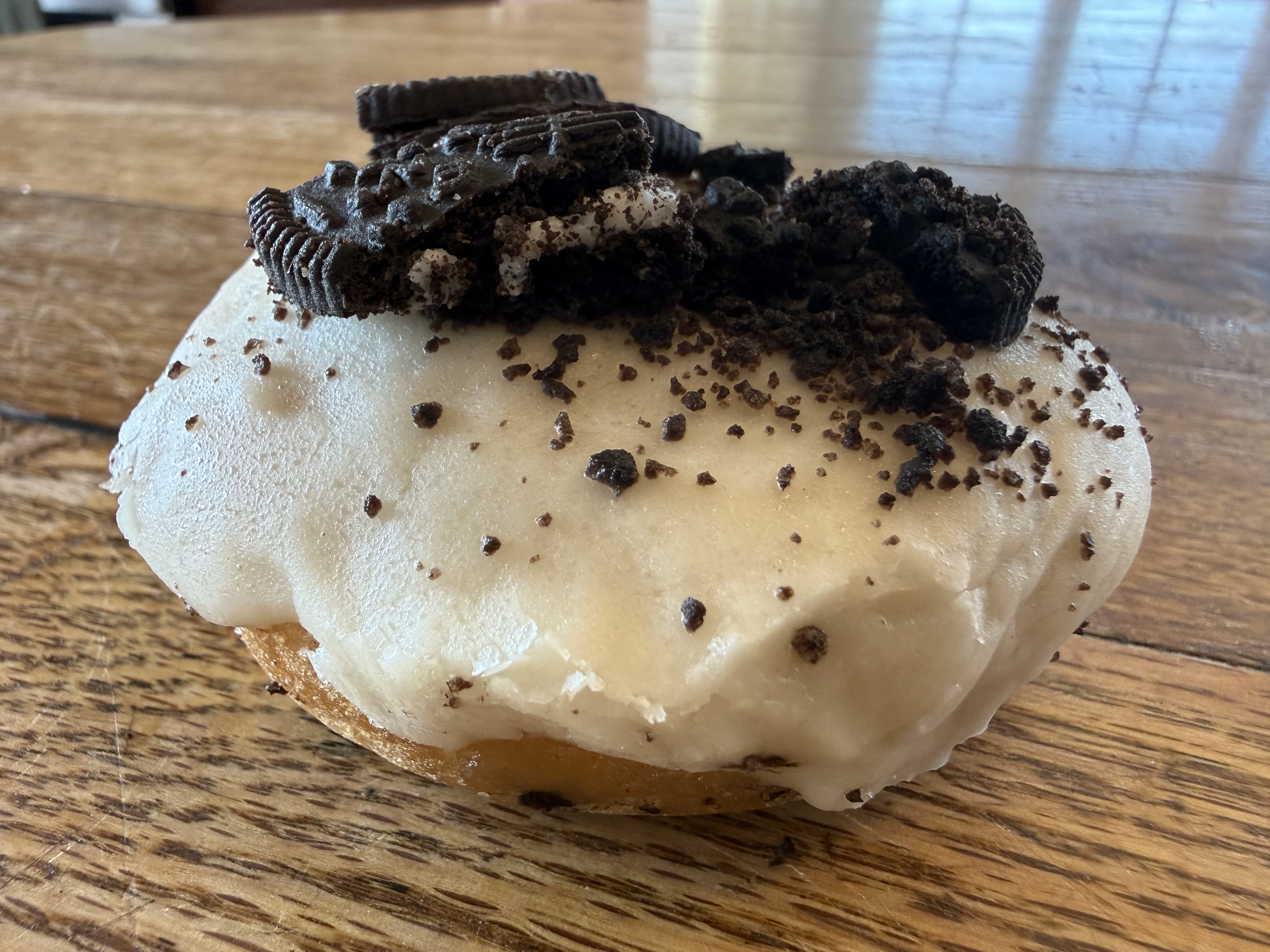
The Macro (Close-Up): Get tight on the details—like the texture of the interior or the frosting layer—to make the viewer feel like they can almost taste it.
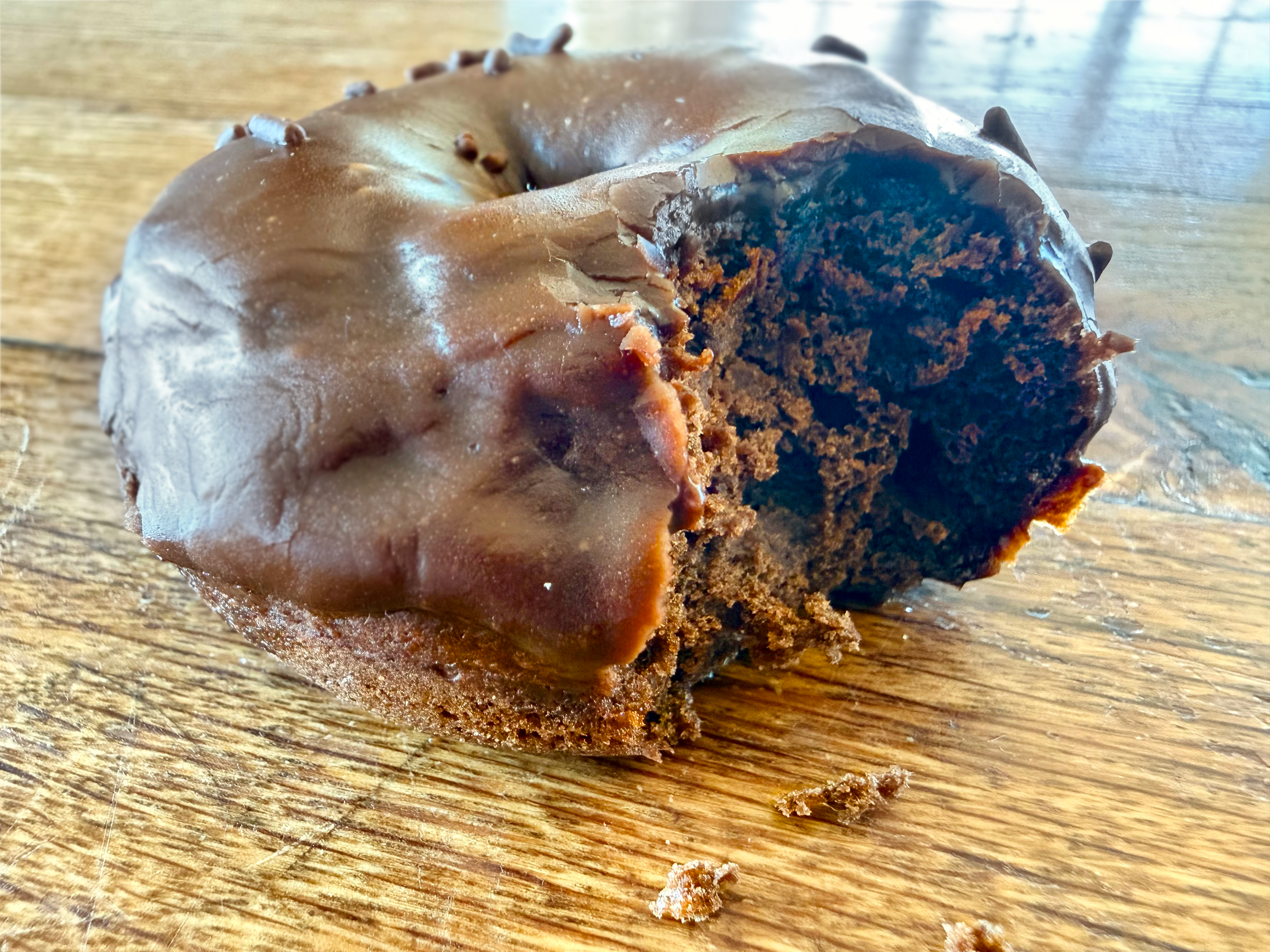
4. Edit with Restraint
If you use your phone's Portrait Mode, it can help the food "pop" by blurring a messy background. When it comes to filters, however, less is more.
Consistency is Key: If you apply a warm filter to one photo and a cool filter to another, your feed will look disjointed.
Branding: You can use tools like Canva to add your logo. Keep it small—about 15% of the space—so it doesn't overpower the food.
The Bottom Line: Does it Work?
In a recent test with a local shop, photos of donuts sitting in their display case were replaced with these simple, staged DIY photos. The result? The better photos earned nearly the same amount of engagement in just four hours that the old photos took two weeks to achieve.
Better photography helps people experience your food before they ever buy it. Take the extra five minutes to set the scene, find the light, and capture the right angle—your customers’ appetites will thank you.

SMALL BUSINESS
SYSTEMS
Let's build a system that works for you.

1 - Identify Your Next Step
Before anything else, you must know where you are and what you must do next with your marketing.

2 - Build a Reasonable Plan
You'll never make progress without a reasonable, rational and logical plan. Each business is different, so each plan should be different and unique.

3 - Build Systems
With your plan in place it's time to build automated, and semi-automated systems that carry out your marketing process.

4 - Measure and Adjust
As marketing trends shift you must adjust your approach. Learn from your systems, and adjust to new realities, implementing improvements over time.
Trusted By
Praesent cursus dolor aliquet, euismod eros sit amet, sagittis erat. Pellentesque ante dolor, semper a felis et, tincidunt aliquet magna. In nec condimentum elit, eu bibendum justo. Nam semper tristique leo nec tempus.

John Doe
Senior Manger
Praesent cursus dolor aliquet, euismod eros sit amet, sagittis erat. Pellentesque ante dolor, semper a felis et, tincidunt aliquet magna. In nec condimentum elit, eu bibendum justo. Nam semper tristique leo nec tempus.

John Doe
Senior Manger
Office: 2975 W 400 N,
Columbia City, IN 46725
Call xxx-xxx-xxxx
Email:[email protected]
Site: www.yourcompany.com